
Botox in Bangkok: What to Expect at a Medical Aesthetic Clinic

Bangkok has quietly become one of the world's go-to destinations for Botox
and it's not difficult to see why. You'll find internationally trained physicians, premium injectable brands, and pricing that holds up well against what the same treatment costs in London, Sydney, or New York. Whether you're a Bangkok resident squeezing in an appointment between meetings, or a visitor who's decided to add a treatment to your itinerary, there's no shortage of options here.
Which is exactly where it gets complicated. Not every clinic in Bangkok operates at the same standard, and the gap between a result that looks genuinely refreshed and one that looks frozen or lopsided is rarely about the product — it's about who's injecting it, and what they did before picking up the syringe.
This guide covers everything you should know before booking: the consultation process, what treatment actually involves, how to evaluate a clinic, and what realistic recovery looks like.
Which is exactly where it gets complicated. Not every clinic in Bangkok operates at the same standard, and the gap between a result that looks genuinely refreshed and one that looks frozen or lopsided is rarely about the product — it's about who's injecting it, and what they did before picking up the syringe.
This guide covers everything you should know before booking: the consultation process, what treatment actually involves, how to evaluate a clinic, and what realistic recovery looks like.
What Botox Actually Does (And What It Doesn't)
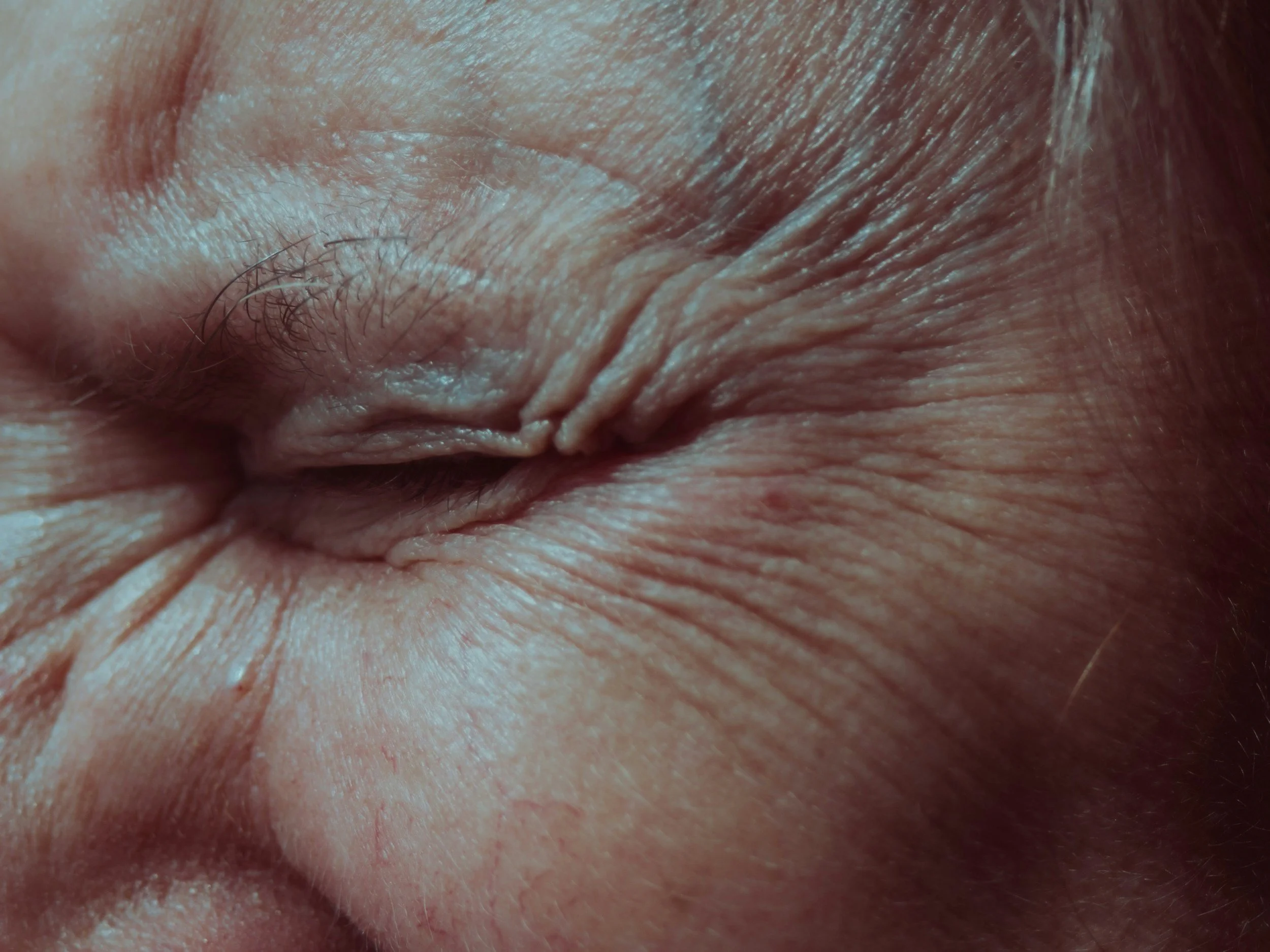
Botox is a purified form of botulinum toxin type A. Injected in small, precise amounts into targeted muscles, it temporarily reduces muscle activity — softening the lines that form when you squint, frown, or raise your eyebrows.
It doesn't fill volume. It doesn't lift tissue. It relaxes muscle.
That distinction matters because Botox is frequently requested for concerns it can't address on its own. Lines caused by volume loss or skin laxity are a fundamentally different problem — they respond better to fillers or collagen stimulators like Sculptra. Any physician who genuinely understands facial anatomy will tell you this before treatment begins, not after you've left the clinic wondering why the result didn't look the way you'd imagined.
Common treatment areas include:
Forehead lines — horizontal lines from raising the brows
Frown lines (glabellar lines) — the "11s" between the brows
Crow's feet — lines at the outer corners of the eyes
Brow lifting — subtle elevation through strategic relaxation of depressor muscles
Jawline slimming (masseter reduction) — reducing the appearance of a wide jaw by relaxing the masseter muscle
Lip flip — a small dose above the upper lip to create a subtle pout
Neck bands (platysmal bands) — softening vertical neck cords
Hyperhidrosis — reducing excessive sweating in the underarms, palms, or feet
Masseter Botox and brow lifting have become especially popular in Bangkok, particularly among clients looking for facial contouring without surgery.

The consultation
Why It Matters More Than the Injection
At a physician-led clinic, your appointment doesn't start with a needle. It starts with a conversation.
A proper Botox consultation involves the physician assessing your facial anatomy both at rest and in motion — watching how your muscles move when you smile, frown, and raise your brows. This isn't a formality. Placement and dosage have to be calibrated to your specific muscle strength, facial structure, and goals. Every face moves differently — what looks natural and balanced on one person can look slightly off on another, even with the same product and the same number of units.
During a thorough consultation, your physician should:
Ask what's bothering you and what outcome you're hoping for
Explain which muscles are involved and how Botox will address them
Be honest about what Botox can and can't achieve for your specific concern
Discuss dosage and whether a conservative or fuller treatment suits your goals
Review your medical history, including any medications or conditions that may affect treatment
Give you time to ask questions without feeling rushed
If a clinic skips this step — or the "consultation" is a quick chat with a non-physician before you're handed off to a technician — that's a meaningful red flag.
At CHADA Clinic, every treatment starts with a physician consultation built around your anatomy and your goals. That's not a selling point — it's simply what responsible injectable medicine requires.
What Happens During the Treatment
Once your consultation is complete and a treatment plan is agreed upon, the procedure itself is straightforward and fast.
Preparation: The treatment area is cleaned. Numbing cream is available on request, though the needles are fine enough that most clients find they don't need it.
Injection: The physician uses a small syringe to place precise amounts of Botox into the targeted muscles. The appointment itself is quick — most treatments, depending on how many areas are involved, take somewhere between 10 and 20 minutes start to finish.
Aftercare instructions: You'll receive guidance on what to avoid in the hours following treatment — usually lying down immediately after, intense exercise, or rubbing the treated area.
That's largely it. No incisions, no stitching, no bandaging. Most clients walk out and get on with their day.
What to Expect After Treatment
Botox isn't instant — which catches a lot of first-time patients off guard.
Most people start noticing a difference somewhere between days 3 and 5, as the muscle gradually relaxes. By around the 10- to 14-day mark, the result has usually settled into its final form.
Common post-treatment experiences:
Mild redness or small bumps at injection sites, usually resolving within an hour or two
Occasional light bruising, particularly around the eye area
A slight feeling of tightness or heaviness as the muscle begins to settle
What to avoid after treatment:
Lying flat for 4 hours post-injection
Vigorous exercise for 24 hours
Massaging or applying pressure to the treated area
Alcohol for 24 hours
Heat exposure — saunas, hot yoga — for 24 hours
Results typically last 3 to 4 months, after which muscle activity gradually returns. With regular maintenance, some clients find the results start to last a bit longer as the muscles adapt over time.
How to Evaluate a Botox Clinic in Bangkok
Bangkok has hundreds of clinics offering Botox, with prices ranging from aggressively cheap to premium — and quality variance just as wide. Here's what to look for.
1. Physician-led treatment
In Thailand, Botox is a medical procedure and should be administered by a licensed physician. Confirm that your injector is a doctor — not a nurse, aesthetician, or technician — and that they'll be present for your consultation, not just the injection itself.
2. Authentic product brands
Ask which brand of botulinum toxin the clinic uses. Reputable clinics in Bangkok work with established products like Allergan's Botox (the original FDA-approved formulation), Dysport, or Xeomin — all manufactured under strict quality controls. Counterfeit or unverified botulinum toxin does circulate in some markets, so sourcing from legitimate distributors is non-negotiable. CHADA Clinic uses Allergan Botox, the same formulation trusted by physicians worldwide.
3. A clinic that asks questions, not just takes orders
A physician who simply asks "where do you want it?" without examining your face or discussing your goals isn't providing medical care — they're using a medical tool as a service. That distinction matters for both your safety and your result.
4. Transparent pricing
Botox in Bangkok is typically priced per unit or per area. Understand exactly what you're being quoted before you commit. Very low prices can reflect diluted product, fewer units than needed, or an inexperienced injector. Very high prices don't automatically mean better results either. Ask for clarity either way.
5. Honest expectations
A trustworthy physician will tell you what Botox can realistically achieve — and what it can't. If a consultation feels more like a sales pitch than a medical assessment, trust that instinct.
Botox Pricing in Bangkok: What's Realistic
What you pay will vary based on the clinic, the injector's level of experience, the brand being used, and how many units your treatment actually requires.
As a general guide:
Per unit pricing at established medical clinics typically ranges from around 150 to 400 THB per unit
Per area pricing is also common, with single areas such as the forehead or crow's feet generally ranging from 3,000 to 8,000 THB depending on the clinic and dosage
Masseter Botox requires more units by nature and is priced accordingly
Be cautious of clinics advertising very low flat-rate prices without specifying dosage. Cutting units to hit a lower price point is one of the most common reasons clients walk away from a treatment feeling like nothing happened.
Medical Tourists: Booking Botox in Bangkok
Bangkok is a well-established medical tourism destination, and aesthetic treatments are a significant part of that. If you're visiting Thailand and considering Botox, a few practical points are worth keeping in mind.
Timing: Try to book your appointment toward the beginning of your trip rather than the day before you fly out. The full result takes 10 to 14 days to appear, and while serious complications are uncommon, you want to still be in the city if your clinic needs to see you for any reason.
Consultation first: Don't book with a clinic that will inject without seeing you first. Any reputable clinic will insist on a consultation — whether that's in person or through a structured pre-visit intake — before treatment goes ahead.
Language: Bangkok's better medical aesthetic clinics cater to international visitors. CHADA Clinic's team and website support Thai, English, Simplified Chinese, and Arabic — a practical consideration if you'd prefer to discuss your treatment in your first language.
Documentation: Ask for a record of what was injected, which product, and how many units. This is useful if you continue treatments elsewhere or need to share the information with a physician at home.
Online booking: CHADA Clinic offers online appointment booking, making it easy to schedule before you even arrive in Bangkok.
Botox and Complementary Treatments
Botox works well alongside other treatments, and many clients at physician-led clinics in Bangkok use it as part of a broader approach to facial aesthetics.
Dermal fillers address volume loss and structural changes that Botox can't — sunken cheeks, thinning lips, deep static lines. Brands like Restylane Kysse are commonly used for lip enhancement and perioral rejuvenation.
Sculptra takes a different approach altogether. Rather than filling or relaxing, it works by stimulating your body's own collagen production — gradually rebuilding volume and improving skin quality over several months. The timeline is longer than Botox and the mechanism is completely different, but for someone dealing with both dynamic lines and early volume loss, the two can work together in a way that neither achieves alone. This combination comes up frequently with clients in their 30s and 40s who are noticing changes on more than one front and want to get ahead of them without considering surgery yet.
Which treatment addresses which concern — and in what sequence — is something a physician needs to assess in person, based on your actual face, not a treatment menu you've filled out in advance.
First-Time Botox: Common Questions
Will it hurt? Most clients describe the injections as a mild pinching sensation. The needles are very fine, and numbing cream is available if you're concerned about discomfort.
Will I look frozen? Not with correct treatment. Good dosing softens the lines you want to address while leaving natural movement intact. The frozen look is a product of over-treatment — too many units, or placement that doesn't account for how your face actually moves. It's one of the clearest arguments for choosing an experienced physician over whoever happens to be cheapest.
What if I don't like the result? Botox is temporary. If you're unhappy with the outcome, it will wear off over 3 to 4 months. This is one reason to start conservatively on your first treatment — you can always add more at a follow-up, but you can't take it away.
Can I get Botox if I'm pregnant or breastfeeding? No. Botox is not recommended during pregnancy or breastfeeding. Disclose this to your physician during your consultation.
How often should I get Botox? For most people, every 3 to 4 months is a reasonable maintenance schedule. Over time, with consistent treatment, some clients find they can go a little longer between appointments as the muscles gradually respond to repeated relaxation.

Choosing the Right Clinic
When it's done well, Botox in Bangkok delivers real results at a price point that's hard to match elsewhere.
The city has no shortage of places offering it — but the clinics that consistently produce natural, safe outcomes tend to share a few qualities: a physician who actually examines you, products you can verify, and the willingness to say no when something isn't the right fit for you.
If you're trying to decide where to go, price is probably the least useful place to start. The more important question is whether a physician will sit down with you, look at your face, understand what you're hoping for, and give you an honest clinical recommendation — before anyone reaches for a syringe.
That's the standard CHADA Clinic holds for every client — whether you're a Bangkok local or visiting from abroad.
Book your consultation at …
