
Sculptra vs. Dermal Fillers: Understanding the Difference Before You Book
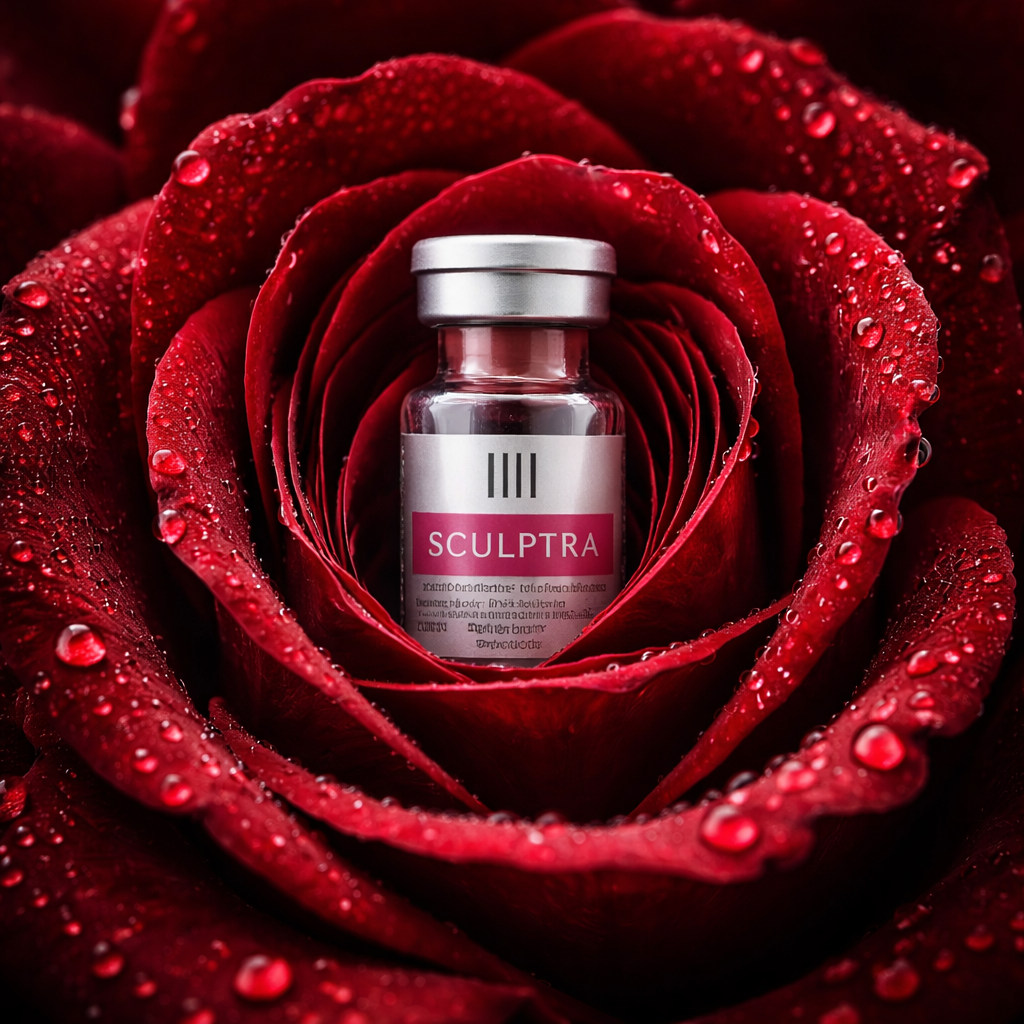
Sculptra® คือสารฉีดในกลุ่ม Biostimulator ที่มีคุณสมบัติโดดเด่นด้านการ กระตุ้นการสร้างคอลลาเจนของผิวในระยะยาวแตกต่างจากฟิลเลอร์กลุ่ม Hyaluronic Acid (HA) ที่ให้ผลลัพธ์แบบเติมเต็มทันที Sculptra ออกแบบมาเพื่อฟื้นฟูโครงสร้างผิวจากภายใน ช่วยให้ผิวแน่น กระชับ ยืดหยุ่น และดูอ่อนเยาว์อย่างเป็นธรรมชาติ
สารสำคัญของ Sculptra คือ Poly-L-Lactic Acid (PLLA) ซึ่งเป็นวัสดุที่ผ่านการใช้อย่างแพร่หลายในทางการแพทย์มายาวนาน มีความปลอดภัยสูง และสามารถสลายได้เองตามธรรมชาติ
#sculptra-vs-dermal-fillers-understanding-the-difference-before-you-book
When you're considering facial rejuvenation treatments, the choice between Sculptra and dermal fillers can feel overwhelming. Both promise to restore volume and smooth away signs of aging, but they work in fundamentally different ways—and choosing the wrong one could leave you disappointed with your investment.
The key difference lies not just in what they do, but how they do it. While dermal fillers provide immediate volume, Sculptra works as a biostimulator, gradually encouraging your skin to rebuild its own collagen foundation. Understanding this distinction will help you make the right choice for your aesthetic goals and lifestyle.
How Sculptra and Dermal Fillers Work Differently
The Science Behind Sculptra
Sculptra contains poly-L-lactic acid (PLLA), a biocompatible synthetic material that acts as a collagen biostimulator. When injected into your skin, it doesn't add volume directly. Instead, it triggers your body's natural healing response, stimulating fibroblasts to produce new collagen over several months.
Think of Sculptra as planting seeds in your skin. The initial injection provides minimal immediate change, but over 4-6 months, your body gradually builds new structural support from within. This process creates results that can last up to two years or longer.
How Dermal Fillers Function
Dermal fillers, particularly hyaluronic acid-based products like Restylane Kysse, work by immediately adding volume to targeted areas. Hyaluronic acid is a naturally occurring substance in your skin that holds up to 1,000 times its weight in water, creating instant plumping and smoothing effects.
When a physician injects dermal fillers, you see results immediately. The filler physically occupies space under your skin, lifting depressions, smoothing lines, and restoring lost volume. Results typically last 6-18 months, depending on the specific product and injection site.

Restylane Vital Light เป็นกลุ่ม skin booster / soft filler ของบริษัท Galderma ซึ่งมีจุดเด่นด้านความบางเบาและการกระจายตัวสม่ำเสมอในชั้นผิวตื้น โดยอาศัยสิทธิบัตรหลักดังต่อไปนี้
สิทธิบัตรที่ใช้ใน Restylane Vital Light
1. NASHA™ Technology (Non-Animal Stabilized Hyaluronic Acid)
สิทธิบัตรหลักของ Galderma / Q-Med (สวีเดน)
โครงสร้างสิทธิบัตร
ใช้ Hyaluronic Acid ที่ผ่านการ cross-link ด้วย BDDE
มี degree of cross-link ต่ำ → เนื้อเจลบาง เบา และยืดหยุ่นสูง
โครงสร้างเป็น particle-based gel ที่มีขนาดอนุภาคเล็กมาก
ผลเชิงโครงสร้าง
คงรูปได้ดีแต่ไม่แข็ง
กระจายตัวสม่ำเสมอในชั้นผิวตื้น (superficial dermis)
ลดความเสี่ยงของการเกิดก้อนหรือผิวไม่เรียบ
ความเหมาะสมทางคลินิก
Skin booster
ปรับคุณภาพผิว ผิวแห้ง ขาดน้ำ
บริเวณผิวบาง เช่น ใต้ตา คอ เนินอก หลังมือ
Timeline and Results: Patience vs. Instant Gratification
Sculptra's Gradual Transformation
With Sculptra treatments, patience becomes your virtue. You'll typically need 2-3 sessions spaced 4-6 weeks apart, with results emerging slowly over months. Many patients describe this as "aging in reverse"—friends notice you look refreshed but can't pinpoint exactly what changed.
The gradual nature of Sculptra results means:
Subtle, natural-looking improvement
No obvious "treatment day" appearance
Results that develop alongside your natural facial expressions
Longer-lasting effects (up to 25 months in clinical studies)
Dermal Fillers' Immediate Impact
Dermal fillers deliver instant satisfaction. You walk out of your appointment with visible improvement, though some initial swelling may enhance the effect for the first few days. This immediacy makes fillers ideal when you have a specific event or timeline in mind.
The immediate nature of filler results offers:
Instant volume restoration
Predictable outcomes you can see right away
Ability to fine-tune results during treatment
Shorter treatment commitment (typically one session)
Cost Considerations and Value Analysis
Sculptra Investment Strategy
At CHADA Clinic, Sculptra treatments start at THB 60,000 per vial. While the upfront cost may seem higher when you factor in multiple sessions, the longevity of results often makes Sculptra more cost-effective over time.
Consider this calculation: If Sculptra lasts 24 months and requires 2-3 vials total, your cost per month of results may actually be lower than regular filler maintenance. For patients seeking long-term facial rejuvenation, this represents significant value.
Dermal Filler Pricing Structure
Dermal fillers like Restylane Kysse at THB 42,000 per syringe offer a lower entry point but require more frequent touch-ups. Most patients need maintenance every 9-12 months, making the ongoing investment substantial for those wanting consistent results.
The predictable nature of filler costs makes budgeting easier, but the cumulative expense over several years often exceeds Sculptra's total investment.
Ideal Candidates: Matching Treatment to Goals
Who Benefits Most from Sculptra
Sculptra works exceptionally well for patients experiencing:
Overall facial volume loss rather than specific deep lines
Gradual aging changes they want to address subtly
Desire for natural-looking, long-term improvement
Willingness to wait for results to develop
Interest in stimulating their own collagen production
Sculptra particularly excels in treating temple hollowing, cheek volume loss, and overall facial sagging. It's ideal for patients in their 40s and 50s who want to look like themselves, just more rested and refreshed.
Perfect Dermal Filler Candidates
Dermal fillers serve patients who need:
Specific area enhancement (lips, nasolabial folds, marionette lines)
Immediate results for events or personal satisfaction
Precise volume control in targeted regions
First-time injectable experience with predictable outcomes
Flexibility to adjust or dissolve results if needed
Fillers excel at addressing specific concerns like thin lips, under-eye hollows, or pronounced facial lines where precise placement matters more than overall volume restoration.
Treatment Experience and Recovery
What to Expect with Sculptra
Sculptra appointments typically take 30-45 minutes, including consultation time. The injection process itself is relatively comfortable, though your physician may use topical numbing for sensitive areas. Post-treatment, you'll need to massage the injection sites for five minutes, five times daily, for five days (the 5-5-5 rule) to ensure even distribution.
Recovery is minimal—most patients return to normal activities immediately. Some experience mild swelling or tenderness for 24-48 hours, but this rarely interferes with daily life.
Dermal Filler Treatment Process
Filler appointments are often quicker, typically 15-30 minutes for most areas. Modern fillers contain lidocaine for comfort, and many patients find the process quite tolerable. Results are visible immediately, though some swelling may occur for 24-72 hours.
Recovery varies by treatment area. Lip fillers may cause more noticeable swelling than cheek treatments, but most patients can resume normal activities the same day with proper aftercare.
Making Your Decision: Questions to Ask Yourself
Before choosing between Sculptra and dermal fillers, consider these key questions:
Timeline Questions:
Do you need results for a specific event or timeline?
Are you comfortable waiting months to see full results?
How important is immediate satisfaction to you?
Aesthetic Goals:
Are you addressing overall volume loss or specific lines?
Do you want subtle, natural improvement or more dramatic change?
How long do you want your results to last?
Lifestyle Factors:
Can you commit to multiple treatment sessions?
Are you willing to perform daily massage after Sculptra?
How do you prefer to budget for aesthetic treatments?
The Physician Consultation Advantage
At CHADA Clinic, every treatment begins with a comprehensive physician consultation. This isn't a sales pitch—it's a medical assessment of your facial anatomy, skin quality, and aesthetic goals. Your physician will evaluate factors like:
Your natural facial structure and aging patterns
Skin thickness and elasticity
Previous treatment history
Realistic outcome expectations
Budget and timeline considerations
This physician-first approach ensures you receive the treatment that best serves your individual needs, whether that's Sculptra, dermal fillers, or a combination approach tailored to different areas of your face.
Combining Approaches: The Best of Both Worlds
Many patients discover that Sculptra and dermal fillers complement each other beautifully. A common strategy involves using Sculptra for overall volume restoration and collagen stimulation, while employing targeted fillers for specific areas requiring precise enhancement.
For example, you might choose Sculptra for cheek and temple volume restoration, while using Restylane Kysse for lip enhancement. This combination approach maximizes both immediate satisfaction and long-term results.
Your physician can design a treatment plan that phases different approaches over time, allowing you to achieve comprehensive facial rejuvenation that looks natural and lasts longer than either treatment alone.
Conclusion
The choice between Sculptra and dermal fillers isn't about finding the "better" treatment—it's about finding the right treatment for your unique situation. Sculptra offers gradual, long-lasting results through collagen stimulation, while dermal fillers provide immediate, precise volume enhancement.
Your decision should align with your aesthetic goals, timeline, budget, and personal preferences. Whether you choose the patient approach of Sculptra or the immediate satisfaction of dermal fillers, the key lies in working with experienced physicians who prioritize your individual anatomy and desired outcomes.
Ready to explore which approach suits your goals? Learn more about our physician-led consultations and bespoke treatment planning at chadaclinics.com.
