
Under-Eye Filler in Bangkok: Treating Dark Circles and Hollows Without Surgery
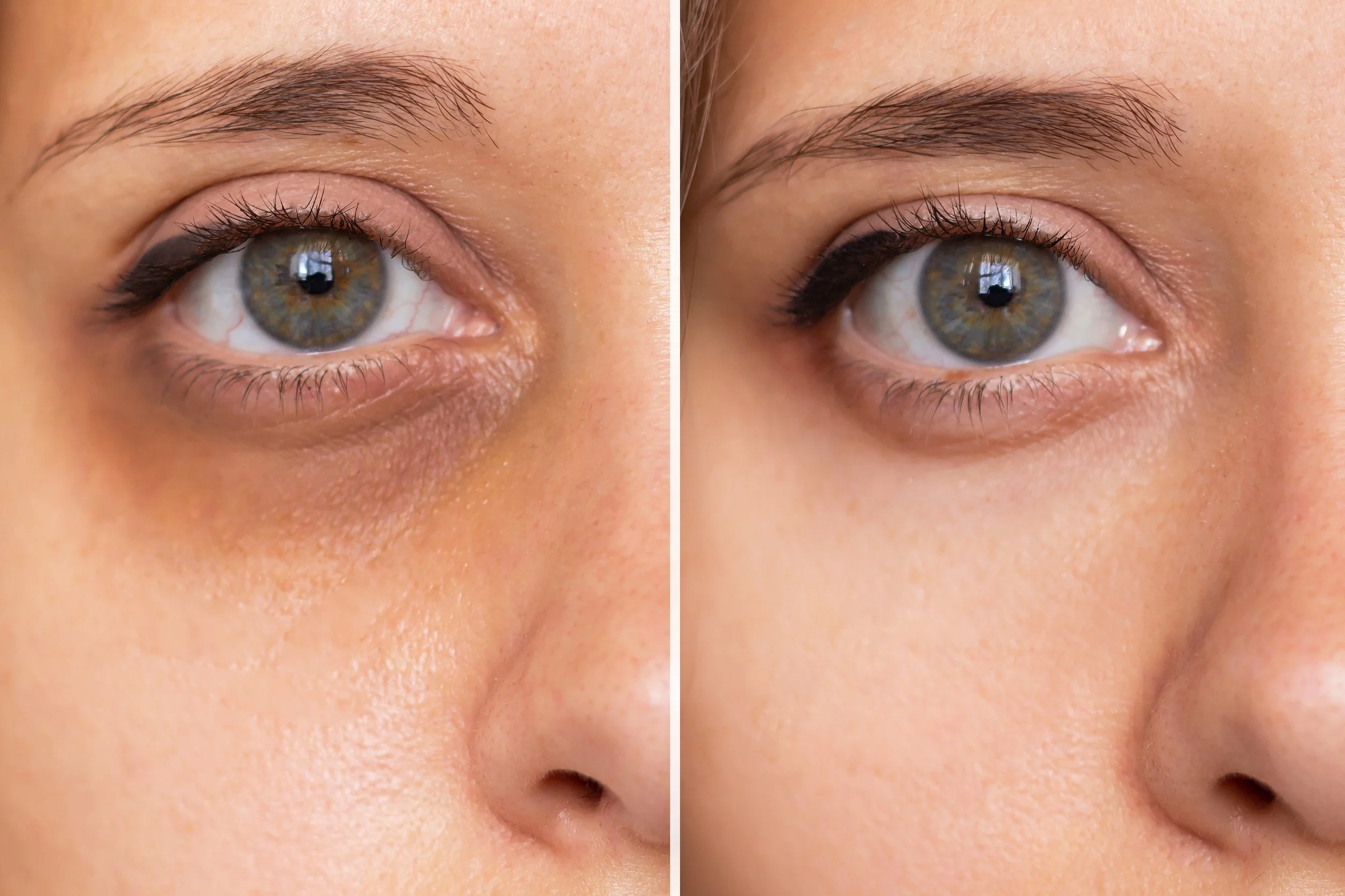
Dark circles and under-eye hollows can make you look tired even when you're well-rested. While genetics, aging, and lifestyle factors contribute to these concerns, surgical solutions aren't your only option. Under-eye filler offers a non-surgical approach to restore volume and brightness to the delicate periorbital area.
This treatment requires exceptional skill and anatomical knowledge. The under-eye region contains complex structures, thin skin, and important blood vessels that demand precision and experience to treat safely.
Understanding Under-Eye Concerns
The Anatomy of Under-Eye Aging
Your under-eye area ages differently than other parts of your face. The skin here is the thinnest on your body, making it more susceptible to volume loss and structural changes over time.
Several factors contribute to under-eye concerns:
Volume Loss: As you age, the fat pads beneath your eyes diminish, creating hollow areas known as tear troughs. This volume loss casts shadows that appear as dark circles.
Bone Resorption: The orbital bone gradually changes shape with age, reducing the support structure for surrounding tissues.
Skin Thinning: Already delicate under-eye skin becomes even thinner, making underlying structures more visible.
Muscle Changes: The orbicularis oculi muscle can contribute to dynamic wrinkles and affect how light reflects off the under-eye area.
Types of Under-Eye Concerns
Not all under-eye issues are the same. Understanding your specific concern helps determine the best treatment approach:
Tear Trough Deformity: The groove that extends from the inner corner of your eye toward your cheek. This creates a shadowed appearance that looks like dark circles.
Hollowing: General volume loss in the entire under-eye area, creating a sunken appearance.
Lid-Cheek Junction: The transition area between your lower eyelid and cheek that can appear harsh or stepped.
Pigmentation: Actual darkening of the skin, which filler cannot address but may be less noticeable when volume is restored.
How Under-Eye Filler Works
The Science Behind Tear Trough Filler
Under-eye filler, also called tear trough filler, works by replacing lost volume in the periorbital area. The treatment uses hyaluronic acid-based fillers to restore the smooth transition between your lower eyelid and cheek.
Hyaluronic acid naturally occurs in your body and attracts water, providing hydration and volume to tissues. When injected precisely into the tear trough area, it:
Fills hollow areas to eliminate shadowing
Smooths the transition between lid and cheek
Provides structural support to thin skin
Reflects light more evenly across the under-eye area
Filler Selection for Under-Eye Treatment
The choice of filler product significantly impacts your results. Under-eye treatment requires specific characteristics:
Low Viscosity: Thinner fillers integrate better with delicate under-eye tissues without creating lumps or irregularities.
Smooth Consistency: Products with uniform particle size distribute evenly and create natural-looking results.
Appropriate Longevity: Fillers that last 12-18 months provide good value without overfilling the area over time.
Premium products like Restylane Kysse offer the refined consistency needed for this delicate area, though your physician will determine the most appropriate option based on your individual anatomy.
The Physician-Led Approach

Why Physician Expertise Matters
Under-eye filler ranks among the most technically demanding aesthetic treatments. The periorbital area contains critical structures that require deep anatomical knowledge to navigate safely.
A physician-led approach ensures:
Anatomical Precision: Understanding of facial anatomy, including blood vessel locations, muscle attachments, and tissue planes.
Risk Assessment: Ability to identify contraindications and anatomical variations that might affect treatment safety.
Injection Technique: Mastery of multiple injection methods, including cannula and needle techniques, to achieve optimal results.
Complication Management: Training to recognize and address potential complications immediately.
Consultation and Assessment
Your treatment begins with a comprehensive consultation, not a sales pitch. During this assessment, your physician evaluates:
Anatomical Structure: Bone structure, fat pad position, and skin quality affect treatment planning.
Realistic Expectations: Understanding what filler can and cannot achieve for your specific concerns.
Medical History: Certain conditions or medications may influence treatment decisions.
Lifestyle Factors: Work schedule, social commitments, and healing considerations.
This thorough evaluation ensures that under-eye filler is appropriate for your goals and anatomy.
Treatment Process and What to Expect
Pre-Treatment Preparation
Your physician will provide specific pre-treatment instructions, which may include:
Avoiding blood-thinning medications and supplements
Staying hydrated in the days before treatment
Arriving with clean skin, free of makeup
Planning for potential downtime
The Treatment Session
Under-eye filler treatment typically takes 30-45 minutes and follows a careful protocol:
Marking and Planning: Your physician maps the treatment area, identifying injection points and volumes needed.
Numbing: Topical anesthetic or nerve blocks minimize discomfort during the procedure.
Injection Technique: Using either fine needles or blunt cannulas, filler is placed precisely in the appropriate tissue planes.
Immediate Assessment: Your physician evaluates results immediately and makes any necessary adjustments.
The treatment involves multiple small injections or cannula entry points to ensure even distribution and natural-looking results.
Immediate Aftercare
Post-treatment care is crucial for optimal results:
Apply ice intermittently for the first 24 hours
Sleep with your head elevated for several nights
Avoid strenuous exercise for 24-48 hours
Gentle skincare only for the first week
Avoid makeup for 24 hours if possible
Results and Recovery Timeline
What to Expect Immediately
Right after treatment, you may notice:
Mild swelling and possible bruising
Slight overcorrection that settles within days
Immediate improvement in under-eye hollowing
Some tenderness at injection sites
Recovery Timeline
Days 1-3: Peak swelling and any bruising. Results appear overcorrected.
Days 4-7: Swelling subsides, revealing more natural-looking results.
Week 2: Most swelling resolved, final results becoming apparent.
Week 4: Full integration of filler, final results visible.
Long-Term Results
Under-eye filler typically lasts 12-18 months, depending on:
Product used
Individual metabolism
Lifestyle factors
Amount of filler placed
Results gradually fade as your body naturally metabolizes the hyaluronic acid. Most patients choose to maintain results with touch-up treatments.
Risks and Considerations
Understanding Potential Complications
While generally safe when performed by experienced physicians, under-eye filler carries specific risks:
Tyndall Effect: Blue-ish discoloration if filler is placed too superficially.
Vascular Compromise: Rare but serious risk of blood vessel blockage.
Asymmetry: Uneven results requiring correction.
Lumps or Bumps: Usually temporary but may require treatment.
Migration: Filler moving from the intended location.
Minimizing Risks
Choosing an experienced physician significantly reduces complication risks. Look for providers who:
Have extensive experience with under-eye filler
Use appropriate products for the periorbital area
Understand facial anatomy thoroughly
Can manage complications if they occur
Who Should Avoid Under-Eye Filler
Certain individuals may not be good candidates:
Those with very thin skin or prominent blood vessels
Patients with unrealistic expectations
Individuals with active skin infections or inflammation
Those with certain autoimmune conditions
Why Bangkok for Under-Eye Treatment
Medical Tourism Advantages
Bangkok has emerged as a premier destination for aesthetic medicine, offering several advantages:
Cost Effectiveness: High-quality treatments at significantly lower costs than Western countries.
Advanced Techniques: Access to the latest injection techniques and premium products.
International Standards: Many clinics maintain international accreditation and safety standards.
Cultural Sensitivity: Understanding of diverse aesthetic preferences and anatomical variations.
Quality of Care
Bangkok's aesthetic medicine scene includes highly trained physicians who:
Often trained internationally
Stay current with global best practices
Use premium products like Allergan and Restylane
Provide multilingual support for international patients
Convenience Factors
The city offers excellent infrastructure for medical tourists:
Easy airport access
Abundant accommodation options
Rich cultural experiences for recovery time
Established medical tourism support services
Choosing the Right Clinic
Essential Criteria
When selecting a clinic for under-eye filler in Bangkok, prioritize:
Physician-Led Care: Ensure treatments are performed by qualified medical doctors, not technicians or nurses.
Experience with Under-Eye Treatments: Verify the physician's specific experience with periorbital filler.
Product Quality: Confirm use of premium, FDA-approved hyaluronic acid fillers.
Consultation Process: Look for thorough consultations that assess candidacy honestly.
Safety Protocols: Ensure proper sterile technique and emergency preparedness.
Red Flags to Avoid
Be cautious of clinics that:
Offer unusually low prices
Promise unrealistic results
Rush through consultations
Use unknown or discounted products
Lack proper medical credentials
The CHADA Clinic Difference
At CHADA Clinic, every under-eye filler treatment begins with a physician consultation tailored to your individual anatomy and goals. Located in Siam Square 1, the clinic combines medical expertise with refined care, using premium products like Restylane Kysse to achieve natural-looking results.
The physician-led approach ensures that your treatment plan addresses your specific concerns while maintaining the highest safety standards. With multilingual support and experience treating international patients, CHADA Clinic understands the unique needs of those seeking aesthetic medicine in Bangkok.
FAQs
How long does under-eye filler last?
Under-eye filler typically lasts 12-18 months. The longevity depends on the product used, your individual metabolism, and lifestyle factors. Some patients notice gradual fading after 12 months, while others maintain results for up to 18 months.
Is under-eye filler painful?
Most patients experience mild discomfort during treatment. Topical numbing cream and the filler's built-in lidocaine help minimize pain. The under-eye area is sensitive, but the procedure is generally well-tolerated.
Can under-eye filler look natural?
Yes, when performed by an experienced physician using appropriate techniques and products. The key is precise placement, conservative volumes, and understanding your facial anatomy. Results should enhance your natural appearance, not create an obvious "filled" look.
What's the difference between under-eye filler and surgery?
Under-eye filler is non-surgical, requires no incisions, and has minimal downtime. It adds volume to hollow areas but cannot remove excess skin or fat. Surgery (blepharoplasty) can address skin laxity and fat repositioning but involves longer recovery and permanent changes.
How much does under-eye filler cost in Bangkok?
Costs vary depending on the clinic, physician experience, and amount of product needed. Premium clinics using high-quality products typically charge between THB 8,000-15,000 per syringe. Always prioritize quality and safety over price alone.
Can I wear makeup after under-eye filler?
It's best to avoid makeup for 24 hours after treatment to reduce infection risk and allow proper healing. After that, you can resume normal makeup application, though be gentle around the treated area for the first week.
What should I do if I'm not happy with my results?
If you're unsatisfied with your results after the swelling has completely subsided (usually 2-4 weeks), discuss options with your physician. In some cases, additional filler may be needed, or hyaluronidase can be used to dissolve the filler if necessary.
Conclusion
Under-eye filler offers an effective non-surgical solution for addressing dark circles and hollows, but success depends heavily on physician expertise and proper technique. The delicate nature of the periorbital area demands careful assessment, precise injection technique, and thorough understanding of facial anatomy.
Bangkok provides an excellent destination for this treatment, combining high-quality medical care with cost advantages. When choosing a provider, prioritize physician-led care, experience with under-eye treatments, and commitment to safety over price alone.
Your under-eye area deserves the same careful attention as any other aspect of your appearance. With the right physician and realistic expectations, under-eye filler can help you look more rested and refreshed while maintaining your natural beauty.
Learn more at
💚LINE💚
💙WHATSAPP💙
❤️BOOKING❤️
https://chadaclinic.as.me/price-lock
